bibliollama: (Default)
A quick bit of housekeeping:

I’m not keeping the book Dreamwidth separate anymore.

Trying to divide my online life into neat little categories was… a new experiment for me. A very aspirational one. And it turns out that maintaining separate spaces for different parts of my brain is just too much work.

I don’t actually have tidy sections. I don’t switch cleanly between book thoughts and fandom thoughts and life thoughts. Everything overlaps, everything bleeds into everything else, and pretending otherwise just meant I posted less and stressed more.

So I’m moving everything back to [personal profile] badfalcon

Book posts, reading rambles, reviews, half-formed opinions - they’ll sit right next to fic talk, tennis feelings, school updates, and whatever else my brain is doing that day.

One journal. One messy llama. Much more sustainable.

LOL.

🧡

bibliollama: (Book Kitten)
 The Book Blogger Hop was originally created by Jennifer from Crazy-For-Books in March 2010 and ended on December 31, 2012. With Jennifer's permission, Ramblings of a Coffee Addicted Writer relaunched the meme on February 15, 2013. Check out the hop here!

Each week the hop will start on a Friday and end on Thursday. There will be a weekly prompt featuring a book related question. The hop's purpose is to give bloggers a chance to follow other blogs, learn about new books, befriend other bloggers, and receive new followers to your own blog.

The Question of the week is: How Many Public Libraries Are in Your Area?

I am extremely blessed in the library department!

My local library is so close that it’s basically an extension of my living room - genuinely only a handful of houses away. I can pop in on my lunch break, on my way to the shops, when I need a quiet corner, or just because I’ve remembered a book I meant to place a hold on. It’s a kind of everyday magic that never gets old.

In terms of what’s nearby, Devon is wonderfully well-served by libraries. There’s my local branch, of course, and then several more within a short drive or bus/train ride in the surrounding area. Between coastal towns, villages, and the larger hubs, there are multiple branches dotted across the region - enough that you're never far from a place to browse shelves, pick up holds, or discover a surprise gem on display.

There are probably five or six branches within about 25 miles, plus many more if I go slightly further afield. It feels like a proper little network - welcoming, accessible, and great for impulsive book-grabbing.

It’s one of the reasons I love living here: Devon still treats its libraries as important community spaces, events being hosted regularly, and you can feel that in how many there are, how lively they are, and how easy they are to reach.

How about you - what’s your library situation like?

bibliollama: (The Bibliollama)

It feels like the reading brain is coming back online, not with a triumphant roar but with the quiet, creaky stretch of a creature emerging from hibernation. And honestly? That’s exactly the pace I want right now. Slow. Curious. A little bewildered. Gentle.

Here’s where I’m at this week — no goals, no pressure, just vibes and whatever stories happen to stick.

🌿 Currently Reading
📘 Brigands and Breadknives by Travis Baldree
Cozy fantasy is becoming my emotional support genre again, and this one is ticking every box — warm, low-stakes tension, a world that feels lived in, and characters who feel like they could lean over the counter of a fantasy bakery and ask how your day is going.

🌀 Ministry of Time by Kaliane Bradley
A different tempo entirely — strange, clever, intimate. It’s the kind of book that makes my brain feel textured, if that makes sense. Like a story you have to sit with to read properly.

📞 First Time Caller by B.K. Borison
I’ve been drifting in and out of romance but this one has that charming, slightly soft-focus quality that makes it easy to slip back into. Perfect for evenings when my attention span is only semi-available.

🎾 Changeover by Giri Nathan
This one scratches the nonfiction itch in the best way — the writing is smart without being sharp, thoughtful without demanding too much of me. A steady companion read.

🌸 What My Reading Brain Is Thinking About
Lately everything I reach for seems to circle the same ideas:
Cozy fantasy, where the biggest stakes are emotional, domestic, or delightfully mundane
Found family, especially the kind that grows slowly and sideways
Books that feel like sitting near people you love, not performing for them

Maybe it’s just the season. Maybe it’s the headspace. Or maybe I’m gravitating toward stories that feel like they’re holding out a hand rather than expecting anything back.

✨ The Check-In
Honestly? I’m not reading fast, or consistently, or in any organised way. I’m just turning pages when I can and following my curiosity where it actually wants to go. And that counts. That’s enough.

If the rest of November is just me reading 20–30 pages at a time while thinking about cozy fantasy vibes and fictional ragtag families… I’ll take it. 
bibliollama: (The Bibliollama)

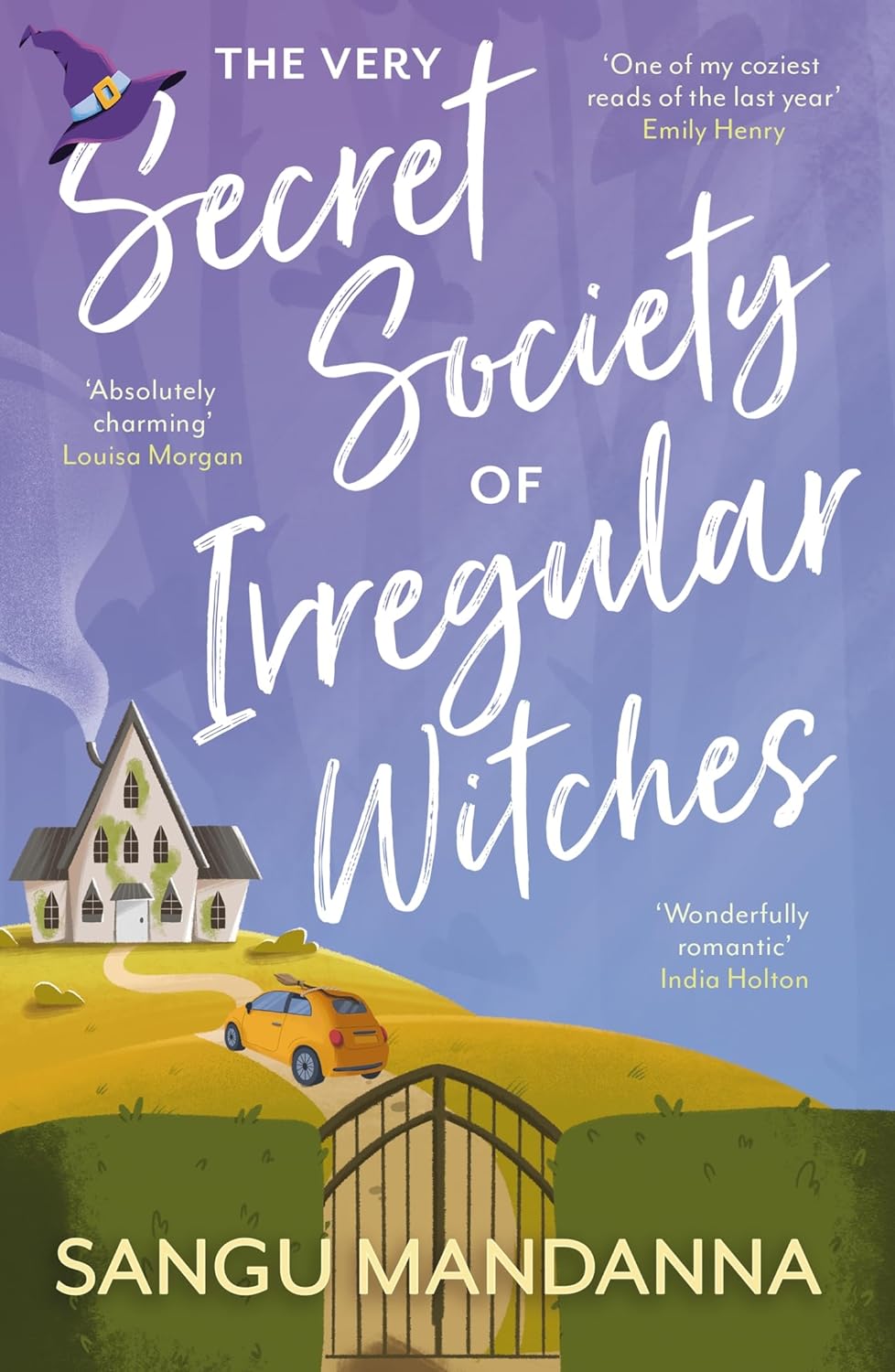
Cover of the book The Very Secret Society of Irregular Witches by Sangu Mandanna

Title: The Very Secret Society of Irregular Witches
Author: Sangu Mandanna

Dates read: 17/08/25 - 18/11/25
Rating: ⭐️⭐️⭐️⭐️.25 (4.25 stars)

Publisher:
Hodderscape
Number of pages: 336
Fiction or non-fiction: fiction
Subject or genre: contemporary, cozy fantasy, romance

Book blurb: A warm and uplifting novel about an isolated witch whose opportunity to embrace a quirky new family - and a new love - changes the course of her life.

As one of the few witches in Britain, Mika Moon knows she has to hide her magic, keep her head down, and stay away from other witches so their powers don’t mingle and draw attention. And as an orphan who lost her parents at a young age and was raised by strangers, she’s used to being alone and she follows the rules...with one exception: an online account, where she posts videos "pretending" to be a witch. She thinks no one will take it seriously.


But someone does. An unexpected message arrives, begging her to travel to the remote and mysterious Nowhere House to teach three young witches how to control their magic. It breaks all of the rules, but Mika goes anyway, and is immediately tangled up in the lives and secrets of not only her three charges, but also an absent archaeologist, a retired actor, two long-suffering caretakers, and…Jamie. The handsome and prickly librarian of Nowhere House would do anything to protect the children, and as far as he’s concerned, a stranger like Mika is a threat. An irritatingly appealing threat.


As Mika begins to find her place at Nowhere House, the thought of belonging somewhere begins to feel like a real possibility. But magic isn't the only danger in the world, and when a threat comes knocking at their door, Mika will need to decide whether to risk everything to protect a found family she didn’t know she was looking for...


How I discovered or acquired this book:
This one's been on my physical TBR since the paperback came out August 2023!
(it was worth the wait)

My thoughts:
This book felt like being wrapped in a warm blanket, handed a mug of something spiced, and told that everything is going to be okay. The Very Secret Society of Irregular Witches is a cosy, magical contemporary story about found family, healing old wounds, and learning to let people in - all wrapped in gentle witchcraft and cottagecore charm.

Mika Moon is instantly endearing: lonely, bright, trying her best, and just a little chaotic. Her arrival at Nowhere House creates this wonderful atmosphere of mismatched people trying (and often failing) to do right by three magical children, and watching them slowly knit themselves into a family was genuinely delightful.


The romance is sweet and low-angst, more warm simmer than dramatic flare-up, and while it’s predictable in places, it’s intentionally so -this is a comfort read through and through. If anything held it back from a higher rating, it’s that everything is very tidy. Conflicts resolve softly, emotional beats land gently, and you can often see where things are going from early on. But honestly? That’s a huge part of its charm.


At 4.25 stars, this is whimsical, cosy, and full of heart. Perfect for readers in the mood for magic without darkness and a love story without sharp edges. 

bibliollama: (Default)
 You ever have that moment where you pick up a book by an author you used to love - like, capital-L LOVE, formative-level love - and it just… doesn’t hit anymore? You sit there blinking at the page like, wait, when did this happen? when did I stop vibing with you?

Because that was me this week with Robin Cook. I adored his books as a teenager. Outbreak was one of my first “grown-up” thrillers - the kind of thing I absolutely should not have read at that age but did anyway because germs and conspiracies and science! I remember feeling so clever for understanding any of it (I didn’t, but that’s beside the point). His books were the moment for me back then.

So I picked up Viral from the library the other day, was SO excited to read something new by him… and friends, it was rough. I barely made it 30 pages in before I had to give up. The writing felt flat, like there was no difference between narration and dialogue - just one long monotone of exposition and people talking at each other. I DNFed it and sat there feeling betrayed by my own teenage taste. Like - was it always like this? Have I changed that much? (Yes. Probably. Definitely.) Or was it just this one book? All I know is I'm too scared to find a copy of one of his older books and find out! 

Then there’s Marian Keyes, who’s a whole other kind of heartbreak. Her books shaped my early twenties; I haven't read any of her new stuff yet (mostly because I didn't know she was still writing). But going back to her older novels? Those novels still have warmth and wit, but they’re also so clearly products of their time. The early-2000s corporate world, the attitudes toward women, the casual misogyny, the constant pressure to be palatable, thin, accommodating… it’s jarring now. The heroines who once felt relatable and real suddenly come across as exhausting, even awful at times - not because Keyes failed as a writer, but because the world (and hopefully, I) have changed. Those characters I used to adore now make me want to yell “girl, get therapy and a union!” every five pages.

It’s not that they’re bad books - far from it. They’re just so deeply of their time, and I’m not that person anymore. I think that’s what makes it sting a little: realising that the stories that once felt like home now feel like history.

There’s a weird grief in that, honestly. You don’t just outgrow a book - you outgrow the version of yourself who loved it. The one who was still figuring out what they liked, what they believed, who they were becoming. That’s kind of beautiful, in a messy, slightly tragic way.

Anyway. I’m trying to remind myself it’s okay. Not every author or story has to grow with you - some just belong to a specific season of your life. You can be grateful for what they meant back then and still let them go now.


What about you?

Have you ever gone back to an old favourite and found it just… didn’t work anymore? Or reread something you loved only to realise it hasn’t aged well at all? Which authors have you fallen out of sync with - and which ones have somehow grown right alongside you?

Let’s commiserate. Bring snacks. I’ll be over here gently mourning my teenage Robin Cook era and avoiding eye contact with my bookshelf.

bibliollama: (Rainbow Bookcase)

October was… a lot. Between uni starting (!!!), work chaos, and a migraine that just would not quit, reading was more of a background hum than a main feature. But hey - two books finished is progress, and I’ll take that as a win.

📖 What I Read

The Last Olympian – Rick Riordan ⭐️⭐️⭐️
A satisfying end to the Percy Jackson series! I enjoyed the scale of it, even if it didn’t hit quite as hard as some of the earlier books for me.

The Kiss Curse – Erin Sterling ⭐️⭐️⭐️✨
Cozy witchy romance with autumnal vibes — perfect for spooky season reading, even if I read most of it under a blanket trying to ignore my migraine.

☕ What I Didn’t Read (But Still Counts)

I made progress on several ongoing reads, even if I didn’t actually finish them. And honestly, that’s kind of the mood for October - slow, steady, distracted by tutorials and caffeine.

I also managed to start three new books this month - because apparently my brain’s motto is “finish? never heard of her.” So despite finishing two, I somehow ended up with more books on my “currently reading” shelf than I started October with. Classic me.

Still, it’s progress. The list may have grown, but so did the stories I’m excited to return to.

🧠 Life Lately

Uni starting has been both exciting and overwhelming - lots of new routines, brain fog, and figuring out where reading fits into my days again. Work’s been full-on too, so I’m trying to be kind to myself about the pace of everything.

Also: I did read a lot of fic (and wrote a fair bit too), so the stories are still happening - just not always in book form!

🎯 October Reading Goals Recap

I didn’t have a formal list posted for October, but my quiet goals were:

  • Keep reading even when brain fog says no ✅
  • Finish something (anything!) ✅
  • Try not to start ten new books (…almost ✅)

Progress made, chaos contained (barely), vibes maintained.


🌟 November Reading Goals

Let’s try again, but gently.

  • Finish at least 3 books
  • Keep reading a little most days
  • Maybe finally finish The Ministry of Time
  • Prioritise fun and curiosity over guilt
  • Share a few more updates - even the messy ones

✨ Because even if it’s slow, it still counts.

And hey - if all else fails, there’s always fanfic and hot chocolate. ☕💛 
bibliollama: (Default)
Cover of the book String Theory by David Foster Wallace Title: String Theory: David Foster Wallace on Tennis
Author: David Foster Wallace
Dates read: 19/08/25 - 30/08/25
Rating ⭐️⭐️⭐️.75 (3.75 stars)

Publisher: Library of America
Number of pages: 138
Fiction or non-fiction: non-fiction
Subject or genre: essays, sports, tennis

Book blurb:
Gathered for the first time in a deluxe collector's edition, here are David Foster Wallace's legendary writings on tennis, five tour-de-force pieces written with a competitor's insight and a fan's obsessive enthusiasm. Wallace brings his dazzling literary magic to the game he loved as he celebrates the other-worldly genius of Roger Federer; offers a wickedly witty disection of Tracy Austin's memoir; considers the artistry of Michael Joyce, a supremely disciplined athlete on the threshold of fame; resists the crush of commerce at the U.S. Open; and recalls his own career as a near-great junior player.

How I discovered or acquired this book:Have we mentioned my tennis hyperfixation over the last year or so? 🤣 This book was a birthday present from my Li

My thoughts:This collection of essays brings together David Foster Wallace’s writing on tennis, and it’s as dense, dazzling, and digressive as you’d expect. His love for the sport shines through in every piece — whether he’s unpacking the genius of Federer, chronicling the grind of journeyman players, or reflecting on his own youthful experience on the courts.

The essays are sometimes brilliant, sometimes overwhelming. Wallace’s prose can spiral into labyrinthine sentences that reward your patience but also demand your full attention. I found myself alternating between awe at his ability to capture the physical and mental intensity of tennis, and frustration at the sheer density of it.

What really worked for me was the mix: Federer elevated to near-mythic status, Michael Joyce portrayed as both ordinary and extraordinary, and Wallace’s sharp observations on the loneliness, beauty, and absurdity of the sport. What didn’t work quite as well was the occasional overindulgence - moments where the language got in its own way.

At 3.75 stars, this is a rich, challenging, and sometimes exhausting read. If you love tennis, or just want to see what happens when one of America’s most idiosyncratic writers turns his eye to sport, it’s well worth it.
bibliollama: (Default)
This week’s Weekly Wednesday Blogging Challenge question is about those required reading books - the ones that get handed to you with a sigh and a syllabus, and you steel yourself for boredom… only to discover that, actually, you love them.

For me, there are three standouts:

📚 Oliver Twist - Dickens was supposed to be dense and dusty, or so I was warned. Instead, I found myself pulled along by the sheer drama of it all. The grime and grit of Victorian London felt so alive that I could almost smell the streets, and little Oliver’s insistence on asking for more remains one of my earliest memories of thinking, “oh, literature can bite.”

🐦 To Kill a Mockingbird - This one felt different. It wasn’t just a story I enjoyed; it was a book that made me sit with questions I hadn’t yet had words for. Atticus, Scout, Boo Radley - they didn’t feel like characters in a text, they felt like people who opened the world out a little wider for me. Even now, I think of it as one of those novels that quietly rearranges your sense of justice.

🎭 Shakespeare (but make it many) - We did a lot of Shakespeare in school, and honestly, I ate it up. A Midsummer Night’s Dream was pure mischief, a reminder that literature could be playful and enchanted. And then there was Henry V, all fire and speeches, with “once more unto the breach” hitting me square in the chest before I even knew what rhetoric was - and its one of two I can still quote! Shakespeare was supposed to be intimidating, but instead I discovered this sense of language as spellcasting — old words, yes, but still alive.

So yes, sometimes school gets it right. Sometimes they hand you a book that not only makes it through the gauntlet of exams and essay questions, but actually sticks.

What about you? Which school-assigned books surprised you by becoming favourites?
bibliollama: (The Bibliollama)
Top Ten Tuesday was created by The Broke and the Bookish and is now hosted by That Artsy Reader Girl. It was born of a love of lists, a love of books, and a desire to bring bookish friends together. Each week a new theme is suggested for bloggers to participate in. Create your own Top Ten list that fits that topic – putting your unique spin on it if you want. Everyone is welcome to join but please link back to The Artsy Reader Girl in your own Top Ten Tuesday post.

This week's topic is Books with a High Page Count
The ones you could use for arm workouts as well as reading marathons. Some of these were slow-burn loves, some I devoured faster than I thought possible, but all of them are worth the wrist ache.


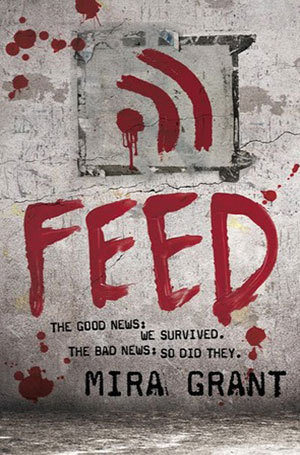
🧪Mira Grant - Feed
Zombies + blogging + political intrigue = a book that’s both propulsive and unexpectedly hefty. Honestly feels like it should weigh less, given how fast you tear through it.

👑 Dan Jones - The Plantagenets
History, but make it drama. Kings, betrayal, messy family feuds — the original long-running fandom wank, with footnotes.

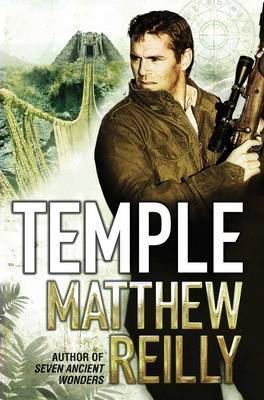
🦅 Matthew Reilly – Temple
A novel that doesn’t believe in brakes. Reilly’s doorstop is like watching someone speedrun Indiana Jones with extra explosions.

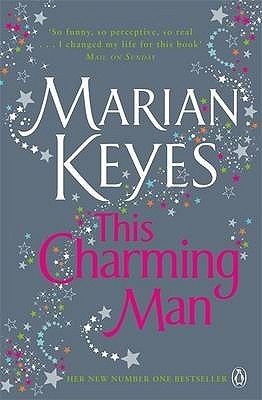
💔 Marian Keyes – This Charming Man
Proof that contemporary fiction can sprawl. Dark, funny, devastating — and long enough to move in and redecorate your head.

🌞 Sharon Kay Penman – The Sunne in Splendour
The Wars of the Roses as epic fic. Every POV shift feels like another 20k chapter in a beautifully written slowburn.


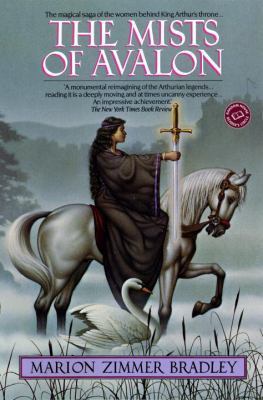
🌫️ Marion Zimmer Bradley – The Mists of Avalon
Arthurian myth retold from the women’s side. A feminist fanfic remix the size of a cinderblock, complete with lore deep-dives.

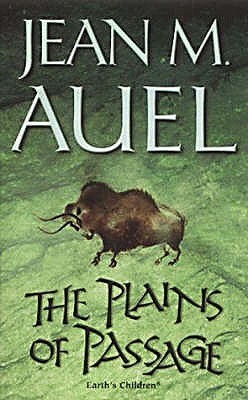
❄️ Jean M. Auel – The Plains of Passage
Cavepeople, ice age travel, and survival fic on maximum hard mode. Auel never met a landscape she couldn’t describe for five pages.

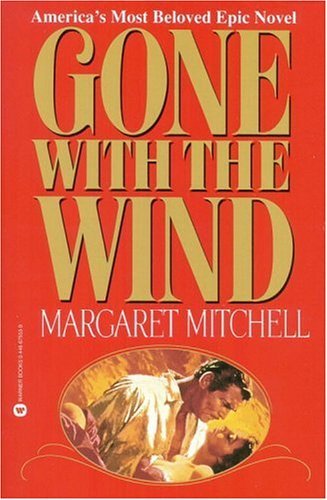
🌪️ Margaret Mitchell – Gone With the Wind
Problematic fave but an undeniable juggernaut. A shipping war disguised as a historical epic.

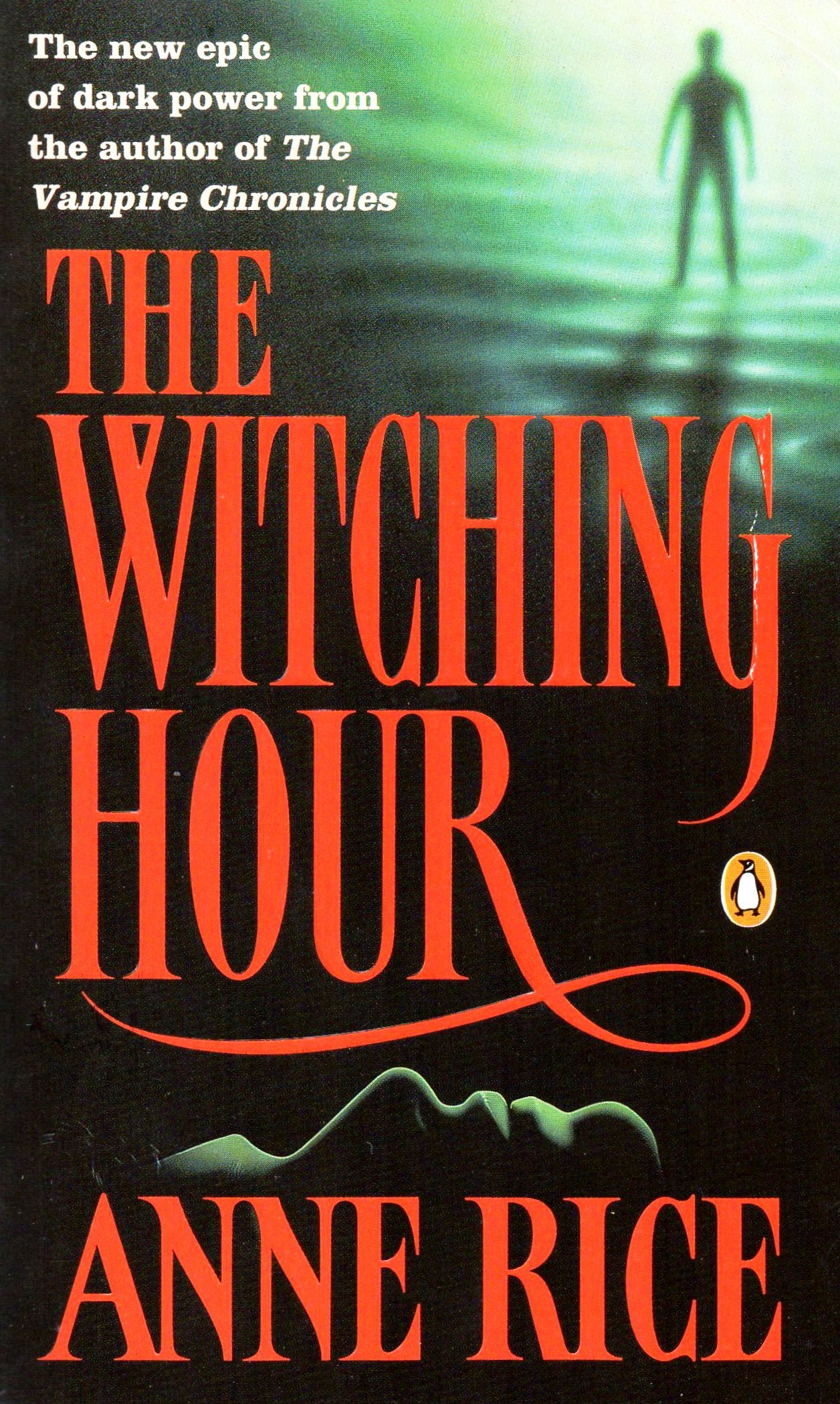
🕯️ Anne Rice – The Witching Hour
Southern Gothic + family curse + Rice’s unparalleled ability to make a paragraph last a geological age. Atmospheric and indulgent.

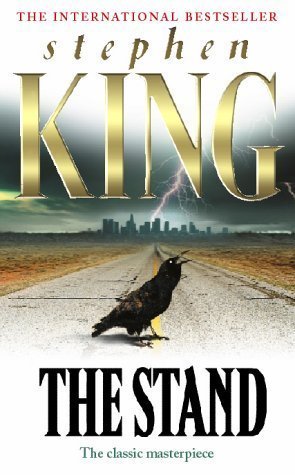
☠️ Stephen King – The Stand
The quintessential long apocalypse novel. Pandemic fic before pandemic fic, complete with sprawling ensemble cast and fandom-level debates over the ending.
bibliollama: (Default)
This week I’ve settled into two very different but surprisingly complementary reads:
 
The Ministry of Time by Kaliane Bradley
A time travel novel unlike any I’ve read before - bureaucratic, witty, and threaded with a deeply humane look at displacement, love, and the complicated weight of history. Bradley’s writing is sharp, layered, and often quietly devastating.
 
The Lamplighter’s Bookshop by Sophie Austin
A beautifully atmospheric historical romance set in late-Victorian York. It’s full of bookish charm, a touch of melancholy, and the promise of renewal. Perfect for curling up with when you want comfort but also a sense of place and texture.
 
Together, they balance each other - one pulling me into the dizzying machinery of time and empire, the other inviting me into the hush of a lamplit shop where hearts and histories can be mended.
 
How do you balance your reading moods? Do you pair heavy with light, or sink into one atmosphere completely?
bibliollama: (Default)

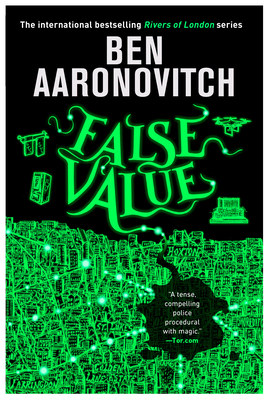
Cover of the book False Value by Ben Aaronovitch Title: False Value (Rivers of London #8)
Author: Ben Aaronovitch
Dates read: 10/08/25 - 17/08/25
Rating ⭐️⭐️⭐️.5 (3.5 stars)

Publisher: Gollancz
Number of pages: 420
Fiction or non-fiction: fiction
Subject or genre: contemporary, crime, fantasy, mystery

Book blurb:
Peter Grant is facing fatherhood, and an uncertain future, with equal amounts of panic and enthusiasm. Rather than sit around, he takes a job with émigré Silicon Valley tech genius Terrence Skinner's brand new London start up - the Serious Cybernetics Company.

Drawn into the orbit of Old Street's famous 'silicon roundabout', Peter must learn how to blend in with people who are both civilians and geekier than he is. Compared to his last job, Peter thinks it should be a doddle. But magic is not finished with Mama Grant's favourite son.


Because Terrence Skinner has a secret hidden in the bowels of the SCC. A technology that stretches back to Ada Lovelace and Charles Babbage, and forward to the future of artificial intelligence. A secret that is just as magical as it technological - and just as dangerous.

How I discovered or acquired this book: I first read Rivers of London back in like 2012/2013, read the first 4 or 5 then for whatever reason, didn't read anymore. Over the last year or so, I've been catching up and working my way through the books that are new to me.

My thoughts:The Rivers of London series is usually a comfort read for me, but False Value ended up being a slightly uneven ride. This instalment takes Peter Grant into the world of tech start-ups and corporate intrigue, complete with nods to Douglas Adams and plenty of nerdy references. The premise is fun, but the execution left me a little adrift.

I struggled at times to keep track of who was who - the cast ballooned quickly, and some of the secondary characters blurred together. The pacing also felt uneven: stretches of exposition and tech detail that slowed the story down, followed by bursts of action that pulled me back in.

That said, Aaronovitch’s dry humour and knack for blending the magical with the mundane are still very much present. I loved the London texture, the tech satire, and the glimpses of Peter in a slightly different setting. It’s not a bad entry by any means, just one that didn’t quite flow as smoothly as my favourites in the series.

At 3.5 stars, this felt like a transitional book - laying groundwork, but not quite delivering the punch of earlier books. I’m curious to see where things go next.
bibliollama: (Default)
📖 Reading:

False Value (Ben Aaronovitch) - Peter Grant goes undercover in a suspiciously magical tech company, where the coffee is bad but the enchantments are worse.
The Ministry of Time (Kaliane Bradley) - A time travel bureaucracy brings people from history into the present day, and it’s as politically fraught (and emotionally messy) as you’d imagine.


💭 Thinking about:

How both books blend the fantastical with the mundane - showing that even magic and time travel end up mired in office politics.
The quiet humour in both stories, the way the authors slip in wry observations between the big plot beats.


📝 Stray thoughts:

False Value: Peter Grant is basically the gold standard for workplace multitasking - investigate magical threat, file the paperwork, pick up the milk.
The Ministry of Time: I’d 100% watch a sitcom about a Victorian poet, a Bronze Age warrior, and a 1970s punk all sharing a government-issued flat in 2025.


🌱 Something unrelated but fun: I’m thinking about how weird it must be to explain TikTok to someone from the 18th century. (“It’s like a theatre, but everyone’s in their pyjamas and the applause is… numbers?”)
 
bibliollama: (Default)
 There’s something about bones.

Maybe that sounds morbid, maybe it is morbid, but I don’t think I’m alone in the quiet fascination that settles in when a burial site is uncovered. When a skull is lifted from the soil. When archaeologists brush back the earth from a femur that last felt light 5,000 years ago.

I’m not an archaeologist. I’m not even studying archaeology (though sometimes I wish I were). I’m doing Classical Studies, all statues and epics and cities built on top of cities, but my heart has always had one foot in the dirt. I grew up watching Time Team and absolutely love Digging for Britain, glued to the screen whenever someone uncovered a brooch or an unexpectedly well-preserved bone. That early obsession never really left me.

And now, I’ve just finished reading Ancestors by Alice Roberts, a book that digs deep - quite literally - into the lives of people buried across prehistoric Britain. It’s full of graves. Full of bones. But it’s not a book about death, really. It’s about lives - and the stories that echo through time when we take the trouble to listen.


The Past Has a Body

It’s easy to think of history as a sequence of names and dates, a neat progression from one era to the next. But burials interrupt that linear flow. They make the past physical. Tangible. Suddenly, the Bronze Age isn't a term in a textbook - it's the curved line of a ribcage under glass, the grooves of a worn tooth, the scent of damp soil and peat.

There’s something profoundly human about that. Seeing a body, curled up in a grave, maybe clutching a bead or blade, reminds me that these people lived with the same raw edges we do: love, hunger, fear, grief. They just carried it in different clothes, with different gods.


Grave Goods and Good Stories

I think part of what draws me in is that I don’t have professional distance from this. I’m not reading these books for fieldwork or academic research - I’m reading because I’m genuinely fascinated by the act of reconstructing a life from a burial. I love the puzzle of it: not just what they left behind, but why. Was that amber bead sacred? Sentimental? Stolen?

There's imagination involved, but also deep care. The best books and documentaries on ancient remains - Ancestors, The Bog People, Kindred - don’t sensationalise the dead. They honour them. They ask: who were you? What mattered to you? Who mourned you?


Bones as a Bridge

I think I’m fascinated by burials because they sit at the meeting point of science and story. They give us hard evidence - the shape of a pelvis, the isotope traces in a tooth - and invite us to tell soft, human tales around it. They connect us with the unknowable, and in that, there’s both awe and comfort.

There’s something grounding, too, about realising that someday, I’ll be bones. That we all will. And maybe it won’t matter what I posted or how many books I owned  - but maybe someone will find my bones and say: they lived. They left something behind.

And maybe that’s enough.


Further Reading

If this post sparked something in you, here are a few other books that delve into burial, ancestry, and the lives of the long-dead:
📖 Kindred by Rebecca Wragg Sykes
📖 The Bog People by P.V. Glob
📖 The Real Valkyrie by Nancy Marie Brown
📖 The Song of the Earth by Melanie Challenger

bibliollama: (Default)
There’s something irresistible about peering into the past - not just through textbook timelines, but through the soil, the bones, the stories buried with them. After finishing Ancestors by Alice Roberts, I found myself drawn to other books that don’t just tell history, but dig it up.

Here are six reads that unearth the past - from the Bronze Age to bog bodies, from DNA to myth:


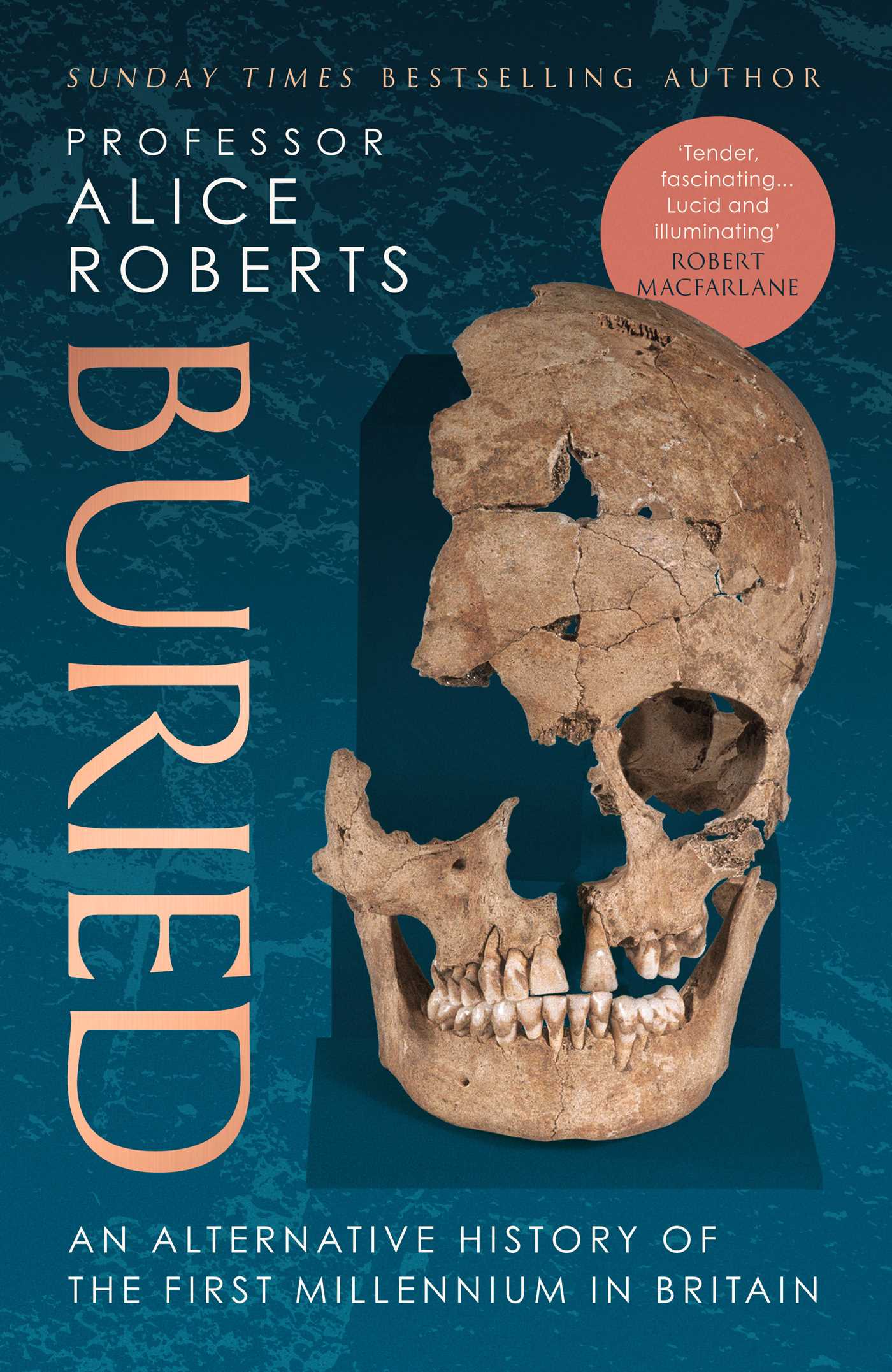
BuriedAlice Roberts
An exploration of the stories told by ancient burial sites across Britain, weaving archaeological detail with reflections on identity, ancestry, and the echoes we leave in the past.

KindredRebecca Wragg Sykes
An intimate and surprisingly tender look at Neanderthals, stripping away outdated assumptions and showing the complexity of their lives.

The Bog PeopleP.V. Glob
A classic of archaeological storytelling, detailing the eerie, haunting discoveries of Iron Age bodies preserved in peat bogs.

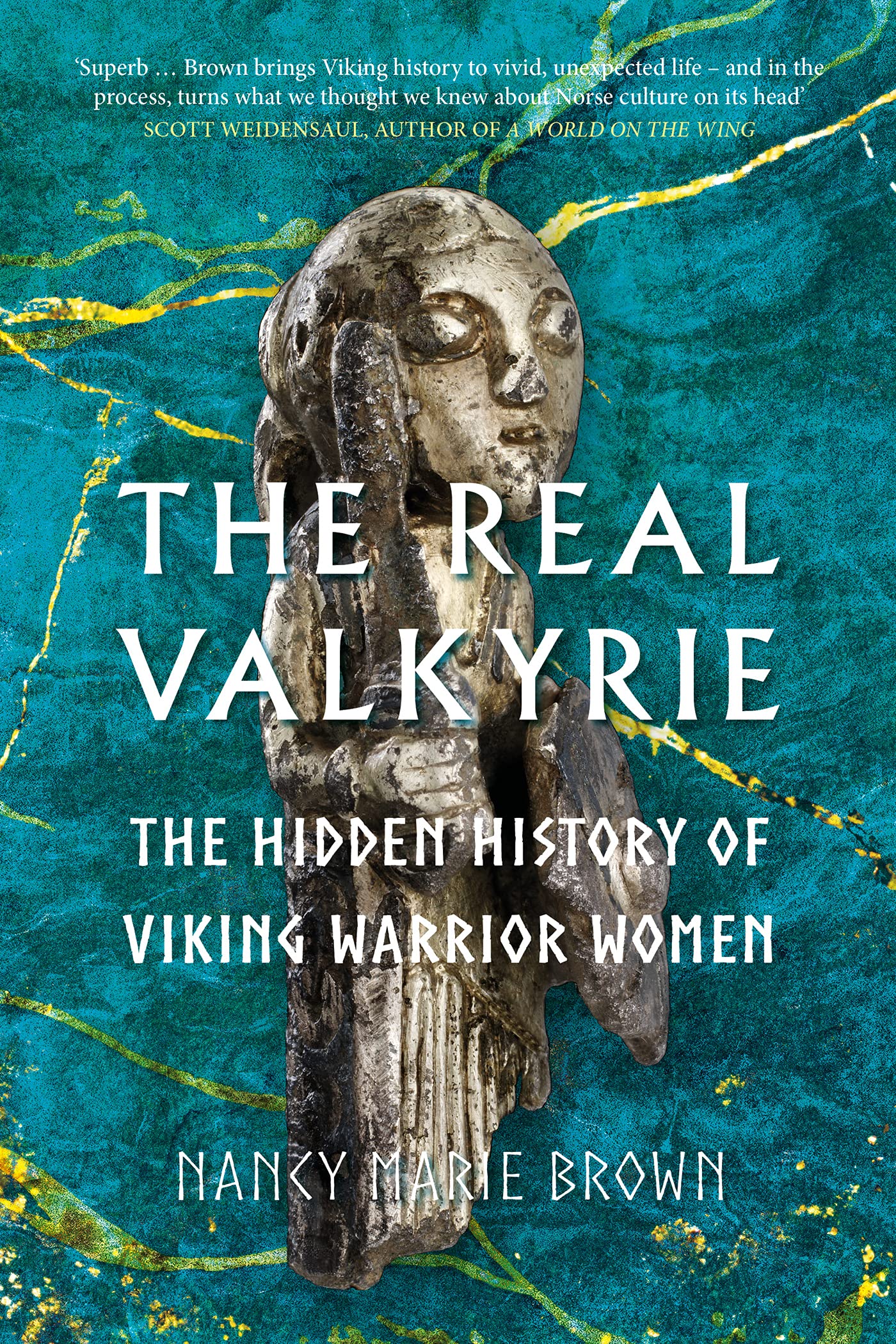
The Real ValkyrieNancy Marie Brown
Blending fact and fiction to reconstruct the life of a female Viking warrior, using one real grave as the spark for a broader feminist narrative.

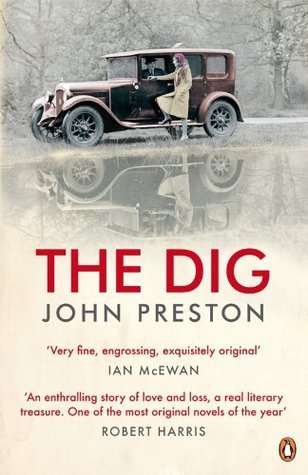
The DigJohn Preston
A fictionalized account of the Sutton Hoo excavation — quiet, elegant, and beautifully atmospheric.

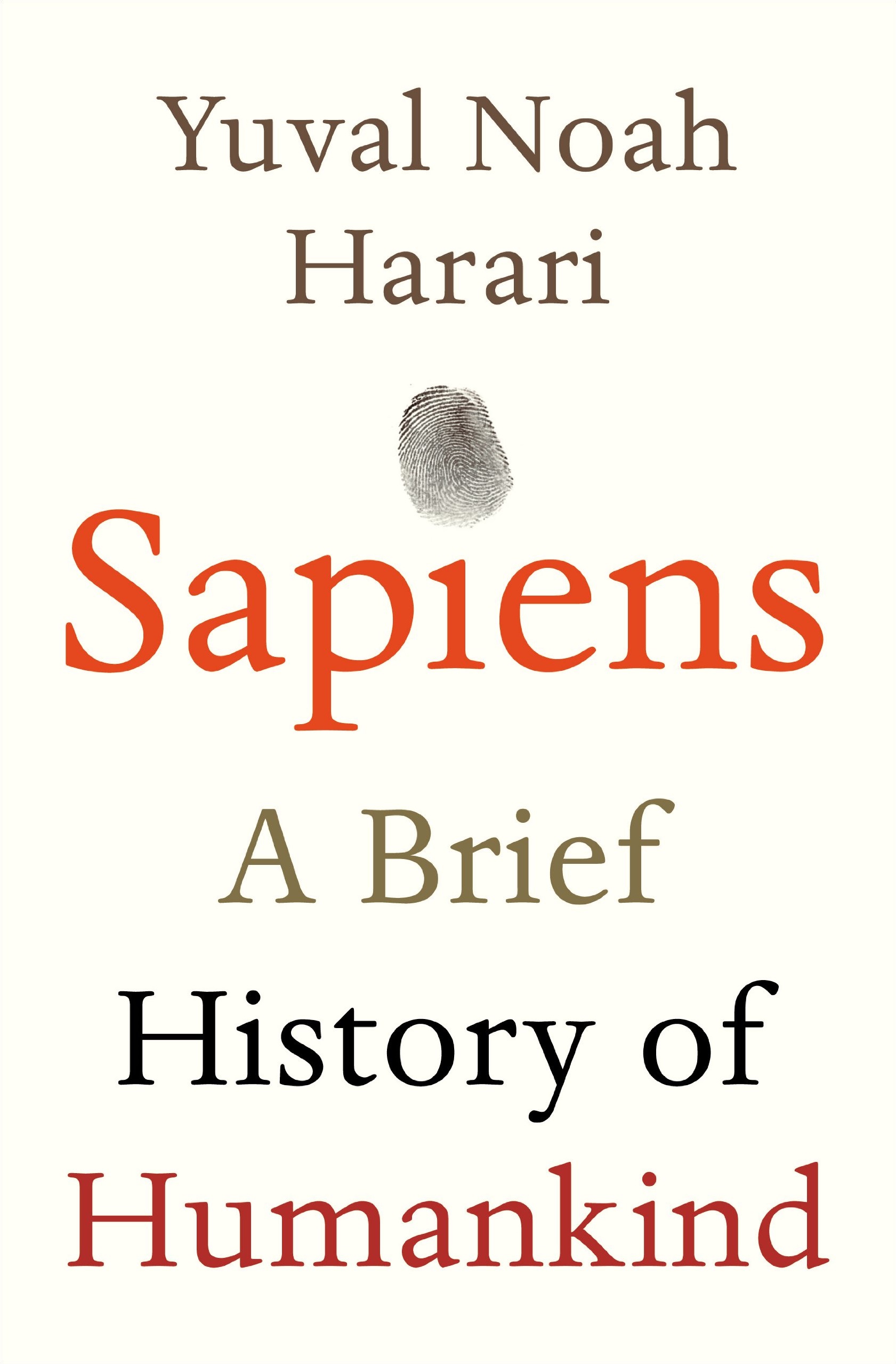
SapiensYuval Noah Harari
A sweeping history of humankind, tracing our journey from early Homo sapiens to the present day, weaving archaeology, anthropology, and big-picture philosophy.

Whether you’re fascinated by grave goods, ancient DNA, or the murky stories we try to tell about our origins, these books offer different ways to engage with the past — and remind us it’s not as distant as we sometimes think.
bibliollama: (Default)
Top Ten Tuesday was created by The Broke and the Bookish and is now hosted by That Artsy Reader Girl. It was born of a love of lists, a love of books, and a desire to bring bookish friends together. Each week a new theme is suggested for bloggers to participate in. Create your own Top Ten list that fits that topic – putting your unique spin on it if you want. Everyone is welcome to join but please link back to The Artsy Reader Girl in your own Top Ten Tuesday post.

This week's topic is Books Set in/Take Place During X.
Pick a place, time, era, etc. and build your list! Some examples include: Books set in Europe/Italy/Australia/Chicago, books set in Regency England, books that take place during the 1900s, books set in imaginary worlds/post-apocalyptic/dystopian worlds, books set on the ocean, books set it castles, books that take place during WW2, etc.

And this is me, so allow me to ramble at you about some of my favourite books set during my favourite period in history 😂
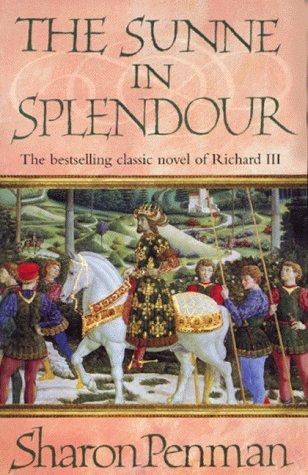

📖 The Sunne in Splendour by Sharon Kay Penman
The gold standard of historical fiction on Richard III. Penman paints a nuanced, deeply human portrait of the controversial king, blending rich historical detail with a narrative that makes you both understand and feel the politics, betrayals, and battles of the age.

📚 The Hollow Crown by Dan Jones
Jones brings his trademark wit and pace to this sweeping nonfiction history of the Wars of the Roses, tracing the breakdown of the Plantagenet dynasty and the bloody struggle that followed. Perfect for readers who want the drama without getting lost in the footnotes.

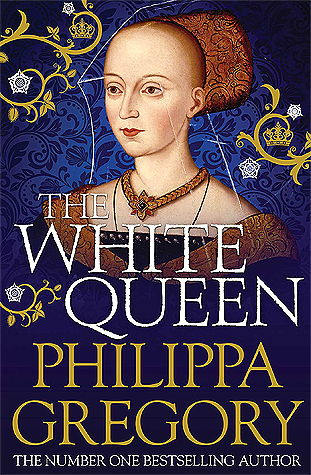
👑 The White Queen by Philippa Gregory
The story of Elizabeth Woodville, the commoner who became Edward IV’s queen. Gregory infuses court politics with hints of the mystical, showing Elizabeth as both a political player and a mother trying to keep her family alive in turbulent times.

🧵 The Princes in the Tower by Alison Weir
One of history’s most famous mysteries, told in Weir’s accessible style. This book examines the disappearance of Edward V and his brother, weighing the evidence against Richard III and other potential suspects. Essential for any Wars of the Roses bookshelf.

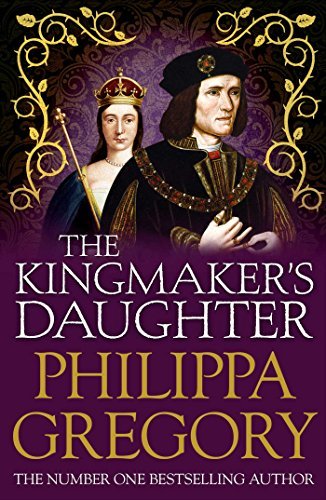
🔀 The Kingmaker’s Daughter by Philippa Gregory
Anne Neville, daughter of the infamous “Kingmaker” Warwick, is swept along by her father’s ambitions, her marriages, and the changing tides of war. A perspective that shines a light on how women navigated — and survived — the dangers of dynastic conflict.
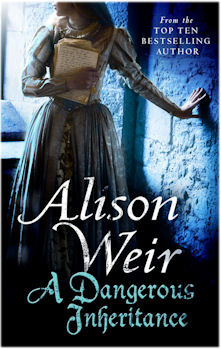
🏰 A Dangerous Inheritance by Alison Weir
This dual-timeline historical novel intertwines the story of Katherine Grey in the Tudor court with Katherine Plantagenet, illegitimate daughter of Richard III. Both women are drawn into the mystery of the Princes in the Tower, blending romance, danger, and political intrigue.

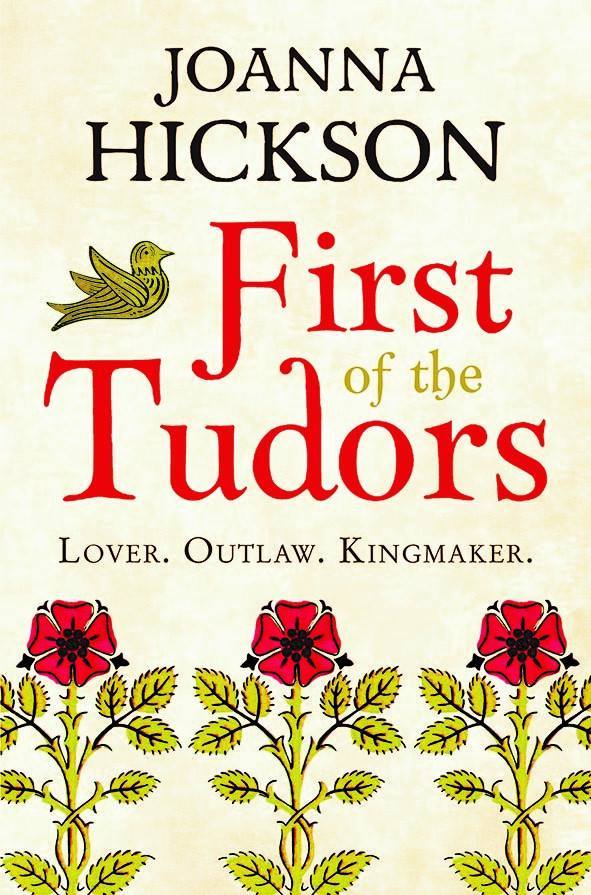
🌹 First of the Tudors by Joanna Hickson
The story of Jasper Tudor, uncle to Henry VII, and his role in protecting and shaping the boy who would become England’s first Tudor monarch. A tale of loyalty, family, and political manoeuvring in the shadow of civil war.

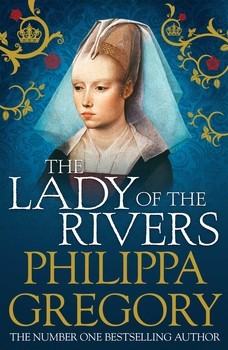
👁 The Lady of the Rivers by Philippa Gregory
A prequel to The White Queen, this novel tells the story of Jacquetta of Luxembourg, mother of Elizabeth Woodville. Court intrigue, personal ambition, and touches of the mystical weave through her journey from a foreign noblewoman to one of the most influential figures in England.

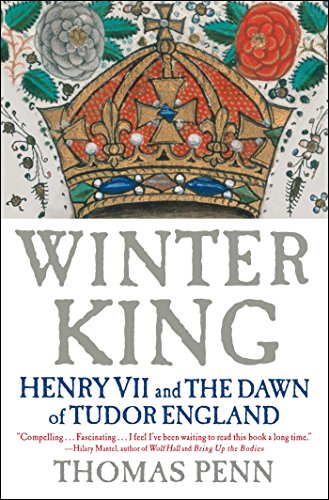
🏰 Winter King by Thomas Penn (slightly post-war)
Although set after Bosworth, Penn’s biography of Henry VII shows how the legacy of the Wars shaped his cautious, controlling reign. A fascinating exploration of how a king consolidated power in the wake of decades of chaos.

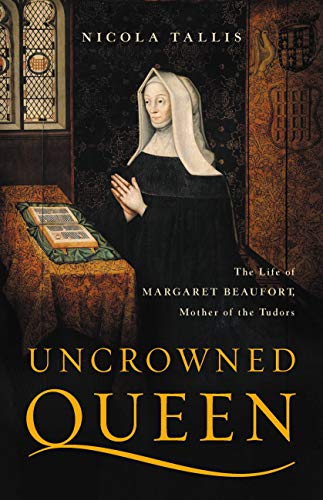
🕯 Uncrowned Queen by Nicola Tallis
Lady Margaret Beaufort is often remembered as the devout, determined mother of Henry VII, but Tallis digs deeper. This biography reveals her as a shrewd political operator whose influence helped steer the course of English history.

From battlefield to bedchamber, council chamber to convent, the Wars of the Roses continue to captivate — with dynasties unraveling, loyalties fracturing, and power changing hands with dizzying speed. Whether you're team York, team Lancaster, or just here for the scandal and scheming, these books offer a brilliant way to lose yourself in the drama.

Have I missed one of your favourites? I’m always open to recommendations — especially if they involve treachery, doomed love, or Richard III getting the justice he deserves.
bibliollama: (Default)
I’ve accidentally themed the week around science gone rogue - one Victorian, one very modern.

⚡ Frankenstein – the original tale of grief, ambition, and what happens when you play god with science. Mary Shelley’s gothic classic is just as devastating and electric as ever.

🧙‍♂️ False Value – Peter Grant trades the Folly for a suspiciously magical tech company. Eighth in the Rivers of London series, full of start-up satire, hidden spells, and dry British chaos.

This week’s reading theme: ambition, consequences, and the monsters we make.

What are you reading this week? 💻💀
bibliollama: (Default)
July felt like one of those months where everything blurred at the edges – warm days, wonky sleep, unfinished to-do lists… but also: finished books! Some excellent reads! And Jannik Sinner winning Wimbledon, which absolutely deserves its own category of joy.

Honestly? The sheer glee of watching him lift that trophy - the relief, the celebration, the happy sobbing in the group chat - kind of set the tone for the whole month. It reminded me why I love following stories, whether they’re played out on a tennis court or the pages of a book.

🌟 What I Read in July
A strange, satisfying mix this month—equal parts bones, witches, wolves, and weather:

📖 Ancestors by Alice Roberts
Burials! Rituals! Deep time and funerary pots! Absolutely one of my nonfiction highlights of the year.

🌬️ Windswept by Annie Worsley
A poetic, deeply personal meditation on nature and climate from a northern UK landscape.

🐺 Bitten by Kelley Armstrong
Werewolf urban fantasy and early 2000s girlboss vibes. Chaotic, nostalgic, absolutely devoured.

🧙 Weyward by Emilia Hart
Feminist witchy lineage! More birds than expected! I cried a little in a Costa.

🦴 House with Good Bones by T. Kingfisher
Southern gothic, with creepy vultures and weird roses and vibes like you wouldn't believe. Loved it.

Mythos by Stephen Fry
funny, engaging, like being told bedtime stories by your cleverest gay uncle.

📝 Overall July vibe: witches, weather, wolves, and bones — I didn’t plan that, but my subconscious clearly did.

🧵 July Goals Recap:

📖 Finish at least 6 books (starting with ones I’d already begun)
✅ Done! Six books finished — two of which were already underway — and I feel good about the balance of fiction and non.

📚 Tackle my library loans before they boomerang back
❌ Look. We’re not talking about it. I returned them all and we’re calling it ✨closure✨.

📸 Actually post some reviews on Instagram — even the short ones
✅ Yes! I’ve let go of the backlog guilt and started fresh. (Ancestors review? Loved writing it. More of that energy in August.)

🧘 Prioritise joy reads over pressure
✅ One thousand percent yes. No obligation reading here — just vibes.

⏳ Continue the “read for 20 mins a day” mindset
✅…ish. Office days = an hour of reading on lunch. WFH days = chaos goblin energy. Might need to ritualise reading time a little more on those days.

✅ Books I’d hoped to finish:
Stephen Fry – Mythos
Alice Roberts – Ancestors
Ali Hazelwood – Love on the Brain ⏳ 66% done and absolutely loving it!
Mira Grant – Into The Drowning Deep ❌ not yet
Emilia Hart – Weyward
Gail Honeyman – Eleanor Oliphant is Completely Fine ❌ postponed — vibes weren’t right

The big reading theme this month was letting go of guilt. I didn't force myself to catch up on reviews, or "read the important book first", or stick to the TBR when my brain was craving something softer. And honestly? It helped. Every book I finished brought me something — wonder, insight, escapism, or comfort. And that’s the whole point, isn’t it?

🎾 And Speaking of Joy...
Did I mention Jannik Sinner won Wimbledon?

Just in case you missed the SCREAMING: JANNIK SINNER WON WIMBLEDON.
It was glorious. It was chaotic. I cried. My group chats lit up. My heart did a backflip. We’re not over it, and we’re not meant to be.

It was the kind of narrative arc sports fans dream about, and it gave the whole month a golden glow of victory. Like yes, I’m tired, and yes, my TBR is out of control, but Jannik won Wimbledon, so actually I’m thriving.

🔮 August Reading Goals
August is a transitional month — I want books that let me sit with that a little. A mix of mystery and magic, books with bones, books that bite, and books that feel like coming home.

🎯 Goals:
Finish 6 books
Finish Love on the Brain
Read Frankenstein
Finish either False Value or The Last Olympian
Keep going with lunchtime reading

📚 Books I’m Hoping to Finish in August
Ali Hazelwood - Love on the Brain
Mary Shelley - Frankenstein
Ben Aaronovitch - False Value
Mary Oliver - A Thousand Mornings
Sophie Austin - The Lamplighter's Bookshop
Dan Jones - Essex Dogs

I’m not promising I’ll be focused in August - we’re in our cozy chaos era - but I’ll keep reading, keep enjoying the stories, and maybe finally finish one of the books lurking on my shelf since April.

Until then: soft stories, good snacks, and a permanent highlight reel of Jannik in full glory. 🏆✨
bibliollama: (Default)
Cover of the book Ancestors by Alice Roberts Title: Ancestors
Author: Alice Roberts
Dates read: 20/05/25 - 28/07/25
Rating ⭐️⭐️⭐️⭐️⭐️ (5 stars)

Publisher: Simon & Schuster UK
Number of pages: 446
Fiction or non-fiction: non-fiction
Subject or genre: history, science

Book blurb:

An extraordinary exploration of the ancestry of Britain through seven burial sites. By using new advances in genetics and taking us through important archaeological discoveries, Professor Alice Roberts helps us better understand life today.

We often think of Britain springing from nowhere with the arrival of the Romans. But in Ancestors, pre-eminent archaeologist, broadcaster and academic Professor Alice Roberts explores what we can learn about the very earliest Britons, from burial sites and by using new technology to analyse ancient DNA.

Told through seven fascinating burial sites, this groundbreaking prehistory of Britain teaches us more about ourselves and our history: how people came and went and how we came to be on this island. It explores forgotten journeys and memories of migrations long ago, written into genes and preserved in the ground for thousands of years.

This is a book about belonging: about walking in ancient places, in the footsteps of the ancestors. It explores our interconnected global ancestry, and the human experience that binds us all together. It’s about reaching back in time, to find ourselves, and our place in the world.


How I discovered or acquired this book: I absolutely adore Alice Roberts - we've watched a bunch of her tv shows and this one's been on my TBR for a while. I've read another one of her books and definitely want to read more

As an aside - have I mentioned my crush on the woman?

My thoughts:This book made me feel like I was sitting cross-legged in the back of a Time Team tent, mug of tea in hand, listening to Alice Roberts gently and excitedly talk about bones for hours. And honestly? That’s my happy place.

Ancestors is everything I hoped it would be: a thoughtful, deeply humane wander through Britain’s ancient burials that’s part scientific detective story, part love letter to the messy, unknowable people of the past. It doesn’t try to tie things up too neatly. Instead, it invites you to linger in uncertainty — to wonder, to imagine, to care. And it does it with the kind of calm, bone-deep (sorry) enthusiasm that makes me feel like I’m safe in nerdy hands.

Each chapter starts with a body — sometimes buried with ceremony, sometimes in ways that make you wince — and builds outwards: what do we know about them? What don’t we know? What can isotope analysis tell us about where they grew up? What stories have we told about these graves in the past, and which ones hold up? There’s no rush to the finish line; Roberts is more interested in inviting you to notice the details, to ask better questions, to feel the weight of time in your chest.

I kept pausing to look things up — other burial sites, photos of grave goods, radiocarbon quirks — but not because the book lacked anything. It just made me want more, in that specific rabbit-hole way that feels like being in love with a subject.

Also: if you’ve ever felt frustrated by the way some archaeologists talk about early human remains like they’re just data points, you’ll love the quiet, persistent way Roberts pushes back against that. She reminds us again and again: these were people. They laughed, mourned, built weird things, buried their dead with care. They were not just prehistory’s NPCs.

Ancestors made me want to cry and then go dig a hole. In a good way.
bibliollama: (Default)
Cover of the book Windswept by Annie Worsley Title: Windswept
Author: Annie Worsley
Dates read: 26/06/25 - 28/07/25
Rating ⭐️⭐️3/4 (2.75 stars)

Publisher: William Collins<
Number of pages: 305
Fiction or non-fiction: non-fiction
Subject or genre: memoir, nature

Book blurb:
A few years ago, Annie Worsley traded a busy life in academia to take on a small-holding or croft on the west coast of Scotland. It is a land ruled by great elemental forces – light, wind and water – that hold sway over how land forms, where the sea sits and what grows. Windswept explores what it means to live in this rugged, awe-inspiring place of unquenchable spirit and wild weather.

Walk with Annie as she lays quartz stones in the river to reflect the moonlight and attract salmon, as she watches otters play tag across the beach, as she is awoken by the feral bellowing of stags. Travel back in time to the epic story of how Scotland’s valleys were carved by glaciers, rivers scythed paths through mountains, how the earliest people found a way of life in the Highlands – and how she then found a home there millennia later.

With stunning imagery and lyrical prose, Windswept evokes a place where nature reigns supreme and humans must learn to adapt. It is her paean to a beloved place, one richer with colour, sound and life than perhaps anywhere else in the UK


How I discovered or acquired this book: It was a Borrowbox loan but I don't remember how/why I picked it up - it might just have been that it caught my eye

My thoughts:Annie Worsley’s writing is undeniably beautiful — she captures the raw wildness of the land and sea with a painter’s precision and a poet’s heart. Reading Windswept often felt like standing beside her in a gale, soaking up the salt air.

But as much as I loved the imagery, I found myself waiting for something to happen — some deeper thread or narrative tension to carry me through. It’s more a patchwork of impressions than a story, which may suit some readers better than others.

A lovely mood piece, but left me a bit… windswept, and waiting
bibliollama: (Default)
Top Ten Tuesday was created by The Broke and the Bookish and is now hosted by That Artsy Reader Girl. It was born of a love of lists, a love of books, and a desire to bring bookish friends together. Each week a new theme is suggested for bloggers to participate in. Create your own Top Ten list that fits that topic – putting your unique spin on it if you want. Everyone is welcome to join but please link back to The Artsy Reader Girl in your own Top Ten Tuesday post.

This week's topic is Books with Honorifics in the Title

Sir David Attenborough - Adventures of a Young Naturalist: Sir David Attenborough's Zoo Quest Expeditions
Michelle Magorian - Goodnight Mr Tom
Matthew Baylis - Man Belong Mrs Queen
Dr Amanda Brown - The Prison Doctor
Alison Weir - Richard III and The Princes in the Tower


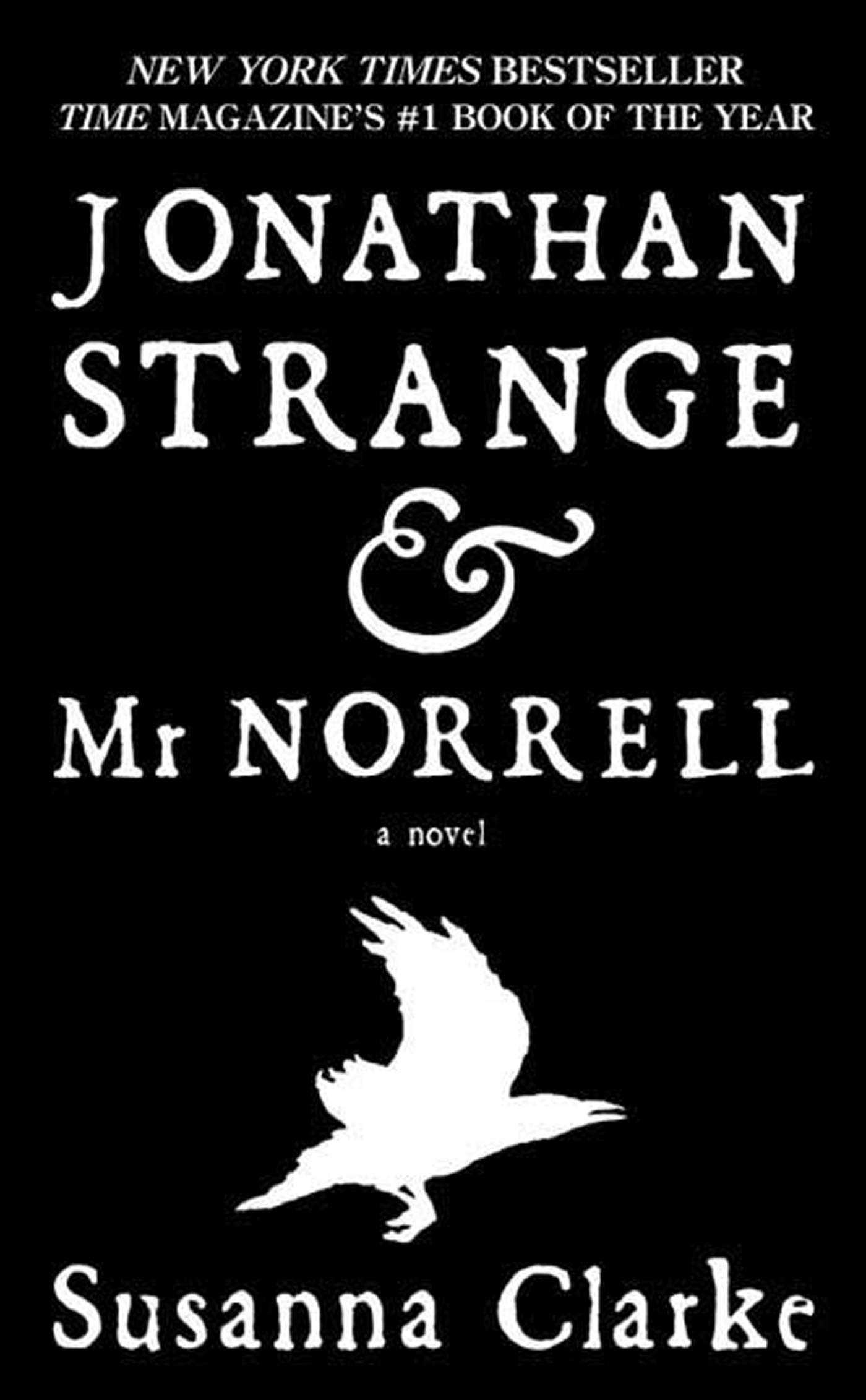
Susanna Clarke - Jonathan Strange & Mr Norrell
Allan Ahlberg - Please Mrs Butler
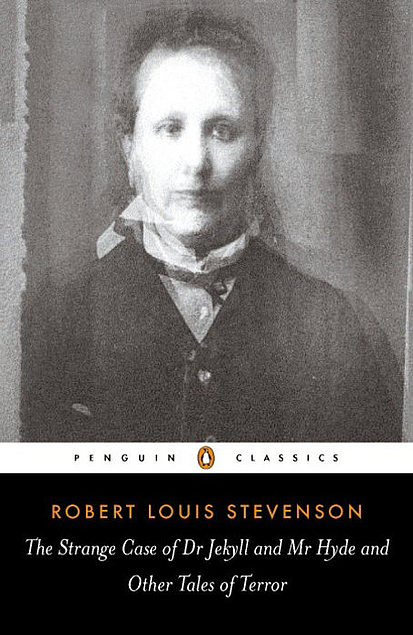
Robert Louis Stevenson - The Strange Case of Dr. Jekyll and Mr. Hyde and Other Tales of Terror
Ransom Riggs - Miss Peregrine's Home for Peculiar Children
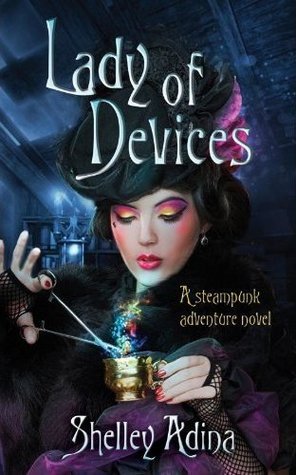
Shelley Adina - Lady of Devices

Profile

bibliollama: (Default)
Cassie

December 2025

M T W T F S S
1234567
891011121314
15161718192021
22232425262728
2930 31    

Syndicate

RSS Atom

Most Popular Tags

Style Credit

Expand Cut Tags

No cut tags
Page generated 30/08/2026 04:40
Powered by Dreamwidth Studios